

EV’S DANGEROUS?: GERMANY’S RADIATION AUTHORITY DROPS BOMBSHELL ON MAGNETIC FIELDS IN ELECTRIC AND HYBRID CARS
OPINION

EV’S DANGEROUS?: GERMANY’S RADIATION AUTHORITY DROPS BOMBSHELL ON MAGNETIC FIELDS IN ELECTRIC AND HYBRID CARS
In a groundbreaking revelation, Germany’s Federal Office for Radiation Protection (BfS) has released the largest survey to date on non-native electromagnetic fields (nnEMF) emanating from electric and hybrid vehicles.
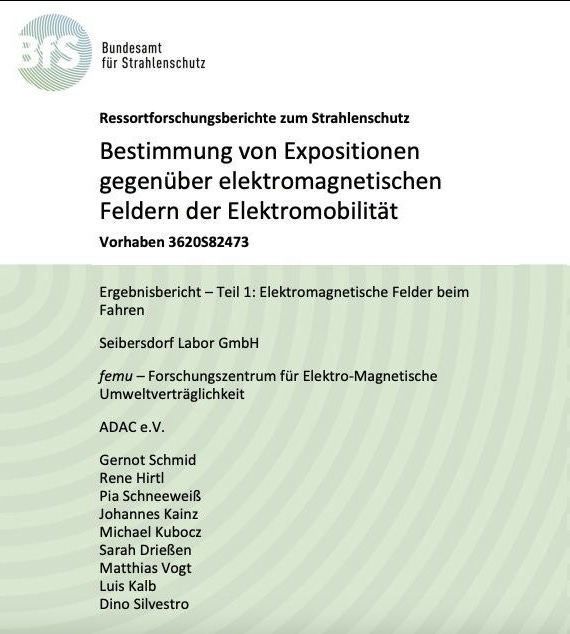
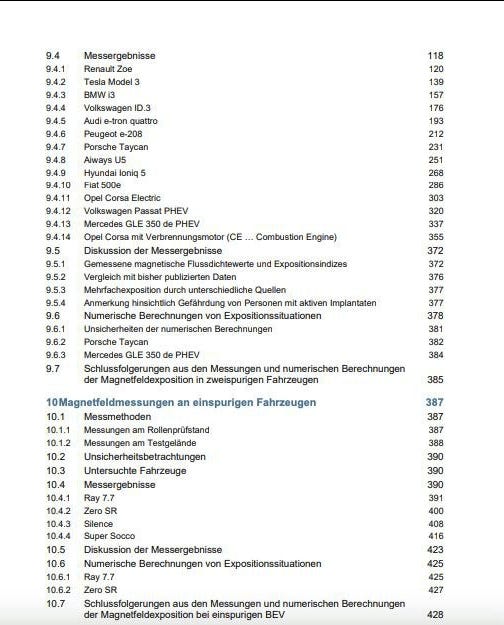
This comprehensive 2025 study, spanning 463 pages, involved nearly a million measurements across 13 vehicles—11 fully electric (EVs) and 2 plug-in hybrids (PHEVs). Through a combination of real-world measurements and simulations, the research aimed to evaluate magnetic field exposure inside these cars, raising serious questions about potential health implications for drivers and passengers.
To understand the findings, it's essential to grasp the basics of magnetic fields, which are measured in microtesla (µT). Health studies have long associated risks with even low levels: exposures as minimal as 0.3–0.4 µT have been linked to conditions like childhood leukemia, dementia, ALS, and miscarriage. Against this backdrop, the study's results on EVs are particularly concerning.
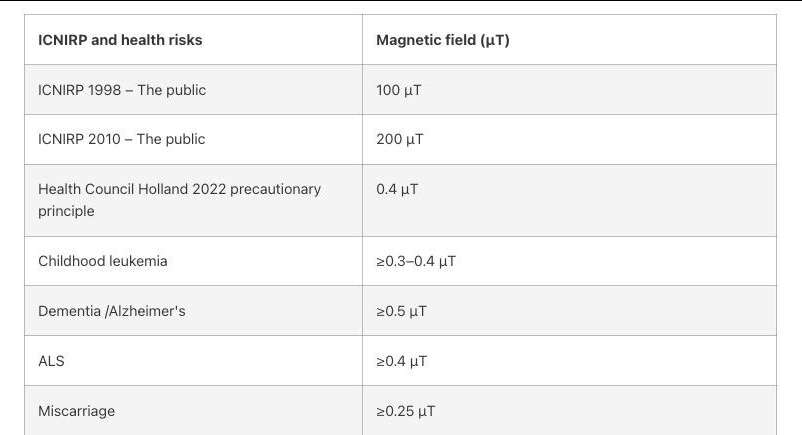
During normal, "gentle" driving conditions, magnetic fields inside the cabin ranged from 2 to 10.5 µT—levels that are already 5 to 25 times higher than the thresholds where health risks begin to emerge. This represents the baseline exposure, even before more demanding maneuvers come into play.
The situation escalates dramatically during acceleration and braking. When vehicles were pushed harder, magnetic fields surged, with most spikes reaching around 90 µT. In the most extreme cases, peaks soared as high as 900 µT (equivalent to 9,000 milligauss). These intense bursts were primarily detected near the legs and feet, directly above the motors and high-voltage cables.
Contrary to common assumptions that only the motor or battery generates these fields, the study revealed contributions from various components. Heaters, fans, seat warmers, dashboards, and infotainment systems all added to the exposure. Alarmingly, some vehicles registered fields up to 100 µT even while parked, with accessories like climate control or entertainment systems running. This means exposure can occur without the car even moving.
For context, the researchers also compared these findings to public transportation options like trains, trams, and subways. While some of these showed elevated fields, EVs and hybrids exhibited sharper and more intense spikes—sudden bursts that recur with every acceleration or brake. Thus, while public transport may pose risks, private electric vehicles could be worse due to these frequent, unpredictable surges.
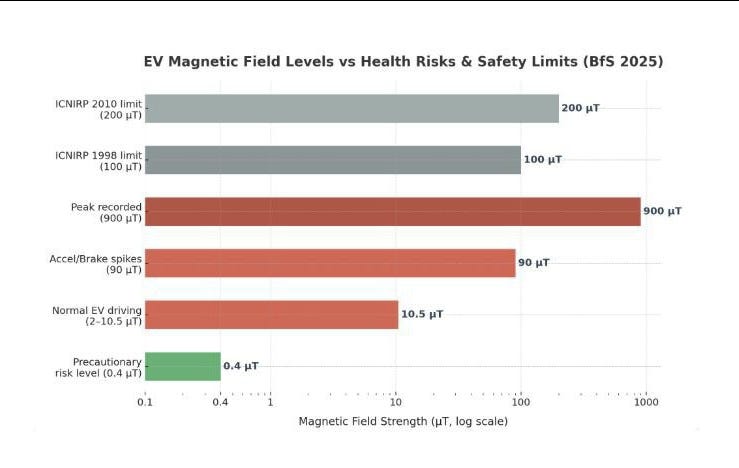
On the safety front, the study highlights significant gaps in current standards. The International Commission on Non-Ionizing Radiation Protection (ICNIRP) 2010 guidelines deem the cars "safe," but these limits focus solely on acute effects like nerve stimulation, ignoring chronic, long-term exposure. The stricter ICNIRP 1998 standards were exceeded by several EVs. Precautionary guidelines, such as the 0.4 µT threshold used in Europe for leukemia risk, were surpassed hundreds of times over.
A critical flaw in existing testing protocols is their failure to account for spikes shorter than 200 milliseconds—the exact type of rapid surges produced by EVs during everyday driving. As a result, the most potentially dangerous exposures aren't even captured or regulated under official rules.
As electric vehicles continue to dominate the automotive landscape, this study underscores that their magnetic fields are an unavoidable reality that demands attention.
CONCLUSION
This landmark study from Germany’s BfS serves as a wake-up call, proving that the health implications of magnetic field exposure in EVs and hybrids cannot be dismissed.
With fields far exceeding health risk thresholds and current standards falling short, it's imperative to advocate for better testing methods, stronger regulatory limits, and transparent discussions about long-term effects to protect public health in the era of electrification.